
Water is used throughout the home, from drinking and cooking to preparing beverages and washing food. For households that want an additional treatment step, a water purifier may provide a convenient solution for addressing specific water-quality concerns.
However, water purifiers are not all the same. Their technologies, performance claims, installation requirements and maintenance needs can vary. Understanding these differences is important when selecting a system for a home in Hong Kong.
Understanding Household Water Requirements
The first step is to identify why a household is considering a purifier. Some people are mainly concerned about taste and odour, while others want to reduce particular substances that may be present in their water.
The source of the water and the condition of the building’s plumbing can influence household concerns. A system should therefore be selected according to the actual requirement rather than a general assumption that the most advanced product is always the best choice.
If there is a specific concern about water quality, appropriate testing or advice from a qualified professional may help identify what needs to be addressed.
Learning About Purification Technologies
Water purification products may use one or more treatment technologies. Activated carbon can reduce certain substances associated with taste and odour. Sediment filters are designed to capture particles, while other technologies target different characteristics of water.
Reverse osmosis systems use a membrane to reduce many dissolved substances. Some products combine this process with pre-filters and post-filters to provide several stages of treatment.
The performance of a system depends on its design, maintenance and operating conditions. Consumers should review product documentation to understand the substances the system is tested to reduce.
Choosing the Right Capacity
Household size and daily usage should influence product selection. A system used by one or two people may have different capacity requirements from one serving a large family.
Think about how much filtered water is needed for drinking and cooking. Also consider how quickly the system can supply water and whether it has a storage tank or direct-flow design.
A system with insufficient capacity may become inconvenient during busy periods. On the other hand, a much larger unit may occupy unnecessary space.
Considering Installation Space
Homes in Hong Kong may have limited kitchen space, particularly in smaller apartments. Installation dimensions should therefore be checked carefully before purchasing a purifier.
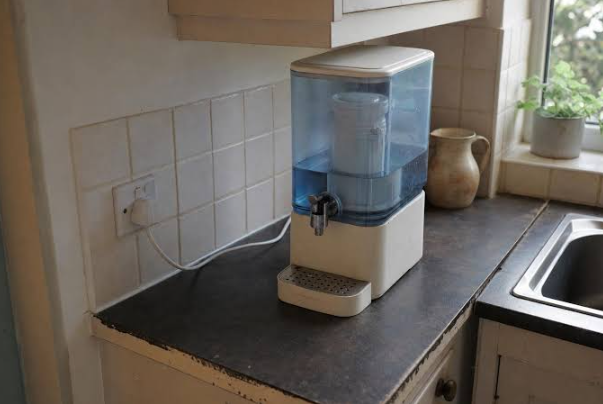
Some systems fit beneath a kitchen sink, while others are installed on a countertop or connected to a dedicated tap. The choice depends on the available layout and plumbing arrangements.
Make sure there is enough space for future filter replacement and servicing. A system that is difficult to access may become harder to maintain.
Understanding Filter Replacement
Filters have a limited service life. Their replacement frequency depends on the technology, water conditions and volume of water processed.
Consumers should check the cost and availability of replacement cartridges before choosing a system. A product with an attractive initial price may have higher long-term maintenance expenses.
Follow the manufacturer’s instructions for replacing filters and cleaning the unit. Regular maintenance is essential for keeping the system operating as intended.
Comparing Product Claims and Costs
When evaluating a purifier, consider its tested performance, certification, warranty, installation cost and ongoing maintenance expenses.
Avoid relying only on broad marketing descriptions. Look for specific information about which substances are reduced and under what conditions the system was tested.
The total cost of ownership can provide a more realistic comparison than the purchase price alone.
Exploring Domestic Purification Options
Households researching a water purifier hong kong can review domestic water-treatment solutions and assess whether the available systems match their space, usage and water-quality requirements. Checking product details and service arrangements can help narrow the options.
Frequently Asked Questions
1. Is a water purifier the same as a basic water filter?
The terms are sometimes used broadly, but products can use different technologies and provide different levels of treatment. Review the specifications of the individual system.
2. How do I know which purifier is suitable for my home?
Consider the water-quality concern, household size, daily demand, available installation space and maintenance budget.
3. Can I continue using a purifier without changing its filters?
Filters should be replaced according to the manufacturer’s instructions. Ignoring replacement schedules may affect system performance.
Conclusion
Choosing a water purifier requires an understanding of household needs and the technology used by each product. Capacity, installation space, tested performance and filter maintenance are all important considerations. By comparing these factors carefully, households can select a practical solution that fits their daily routines and long-term requirements.